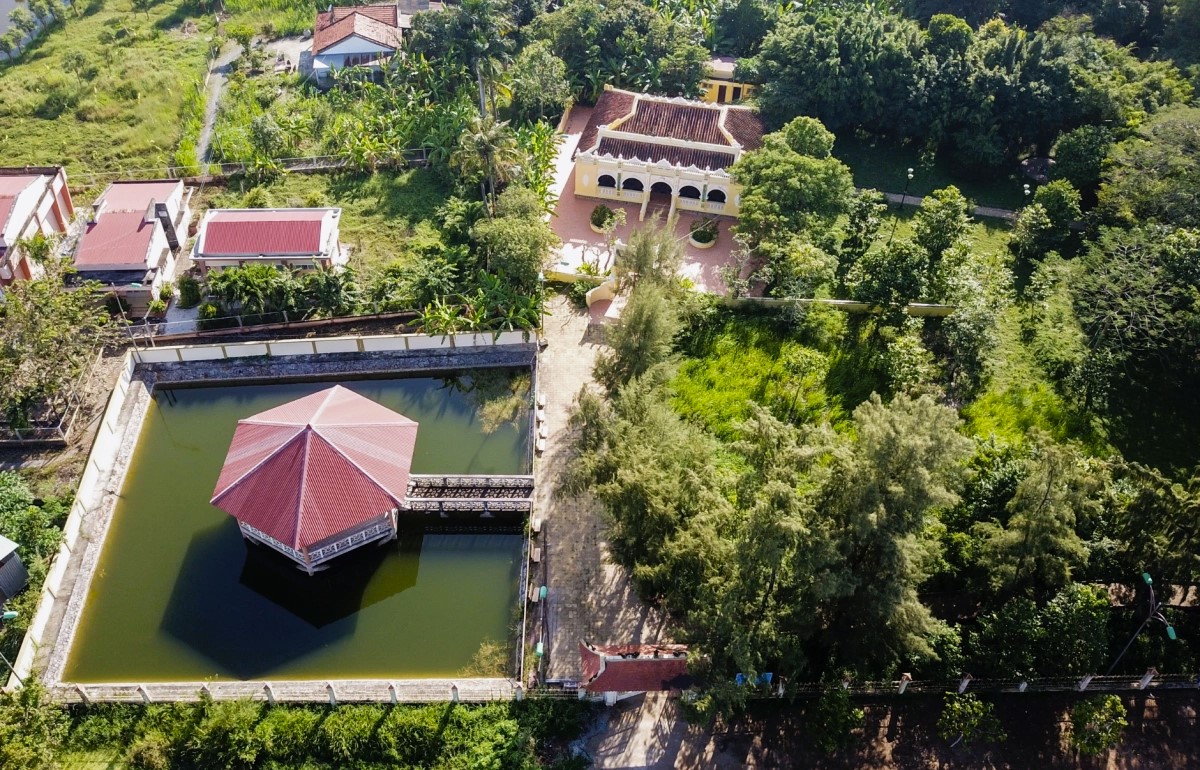
The Royal Mausoleum, Go Cong

Go Cong Royal Mausoleum: Stories of One of Cochinchina's Most Powerful Families

The solemn resting place of Duke Pham Dang Hung, father of Empress Dowager Tu Du and maternal grandfather of Emperor Tu Duc—a rare fragment of Nguyen royal history in the Mekong Delta.

View Rooms Back to the Go Cong Guide
Origins of the Historic Site

Why Is There a “Royal Mausoleum” in the Mekong Delta?

Royal tombs are usually associated with the former imperial capital of Hue. Yet Go Cong is home to a historic complex known as the Royal Mausoleum. Its name comes from the Nguyen dynasty's respect for the emperor's maternal relatives.

Son Quy in Go Cong was the ancestral homeland of the prominent Pham Dang family, which produced Pham Thi Hang. She later became the empress of Emperor Thieu Tri and the celebrated Empress Dowager Tu Du, mother of Emperor Tu Duc.

To honor his maternal grandfather and his mother's family roots, Emperor Tu Duc—and later Emperor Thanh Thai—authorized imperial funds and sent skilled craftsmen from Hue to build and restore the Pham Dang family mausoleum to royal standards. The name “Royal Mausoleum” reflects the family's blood relationship with the emperor.
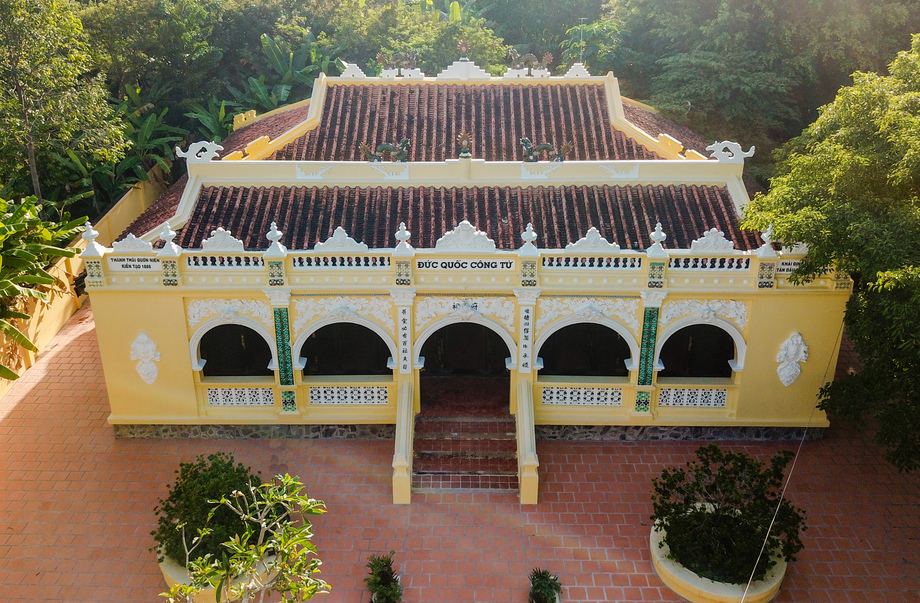
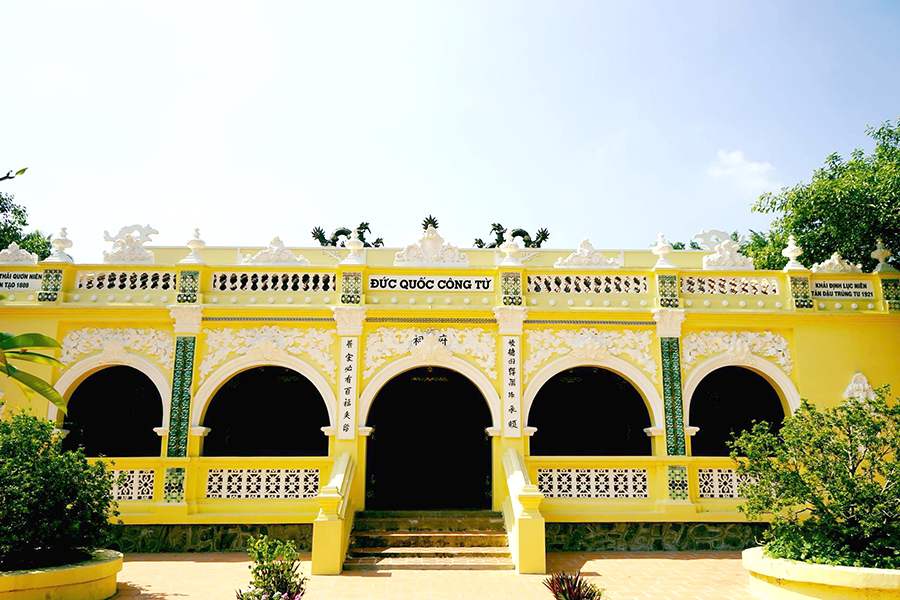
Maternal Royal Relatives The Royal Mausoleum is the burial complex of Emperor Tu Duc's maternal family.
Location Located in Lang Hoang Gia Hamlet, Long Hung Commune, Go Cong.
Scale Built under royal order and strongly influenced by imperial architectural conventions.
The Royal Mausoleum and the Pham Dang Family
The Royal Mausoleum is evidence of the close blood ties between the Nguyen court and prosperous Go Cong.
The Mausoleum's Principal Figure

Who Is Actually Buried at the Royal Mausoleum?

At the center of the complex is the tomb of Duke Pham Dang Hung (1764–1825). He was the father of Empress Dowager Tu Du and a respected, incorruptible high official who served under emperors Gia Long and Minh Mang.

During his lifetime, he rose to become Minister of Rites and was known for his integrity and lack of personal ambition. He was buried in his native Go Cong after his death. When his maternal grandson Tu Duc became emperor, Pham Dang Hung was posthumously granted the title of duke in recognition of his service to the court.

The complex contains not only his tomb but also the resting places of several generations of the Pham Dang family, giving it considerable historical and genealogical importance.

Illustration of the Royal Mausoleum's Connection to the Nguyen Dynasty
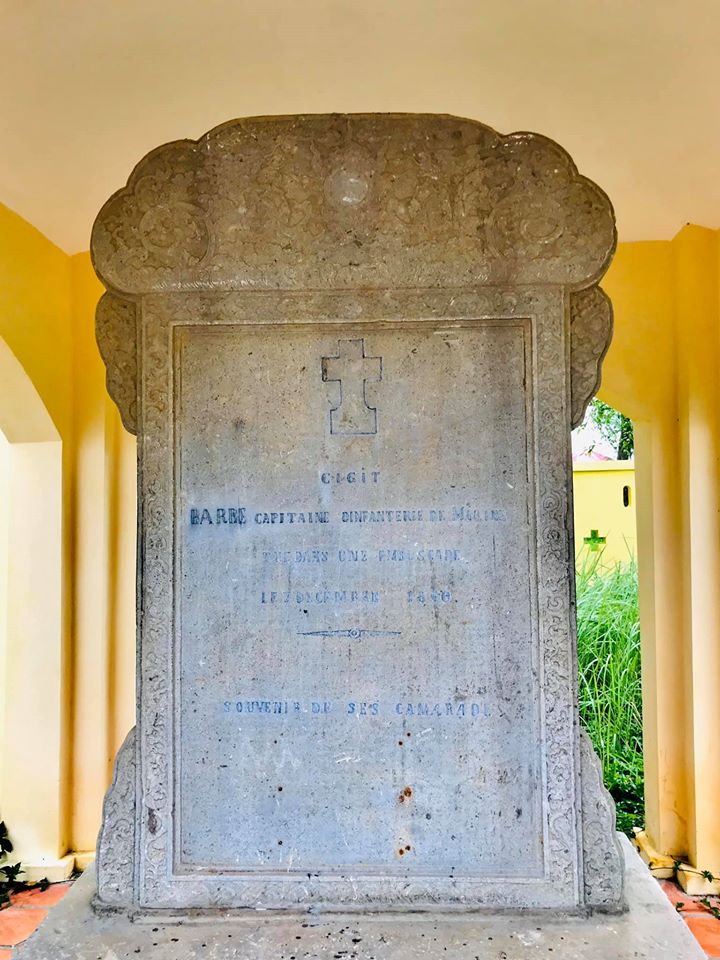
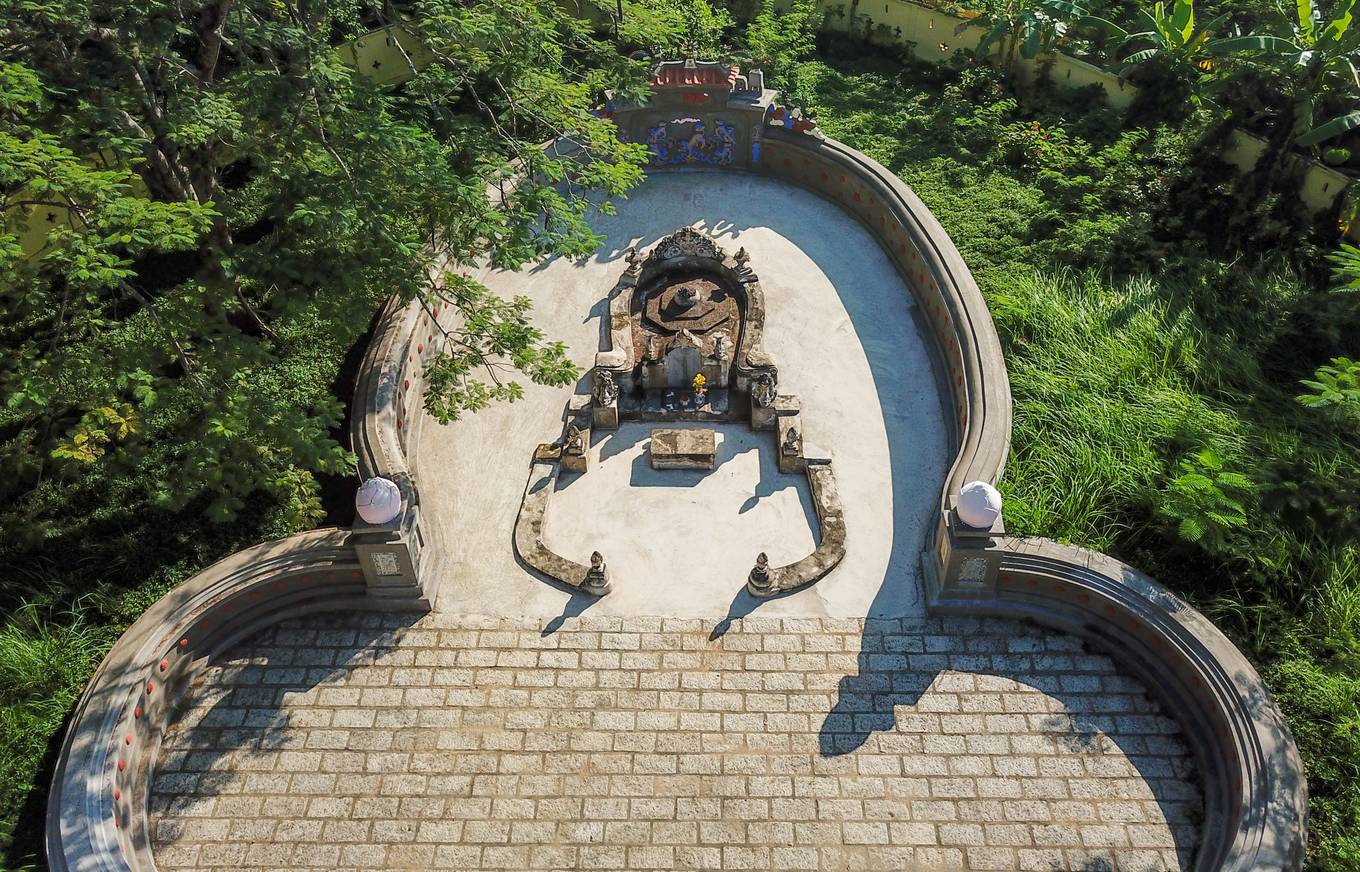
The tomb of Duke Pham Dang Hung is the center and oldest structure in the complex.
Architectural Legacy

Unique Architecture and a Stone Stele Brought by Sea from Hue

The Royal Mausoleum combines Southern Vietnamese building techniques with the strict conventions of Hue court architecture. The tomb of Duke Pham Dang Hung is especially distinctive, shaped like an official's conical hat—or, according to another interpretation, a tortoise shell—symbolizing dignity and permanence.

The complex's most precious feature is a single-piece white marble stele inscribed by Emperor Tu Duc in praise of his maternal grandfather. Carved in Hue, it traveled for months by sailing vessel to Go Cong. To move the enormous stone from the boat to its final position, workers reportedly laid thousands of banana trunks on the ground as rollers.

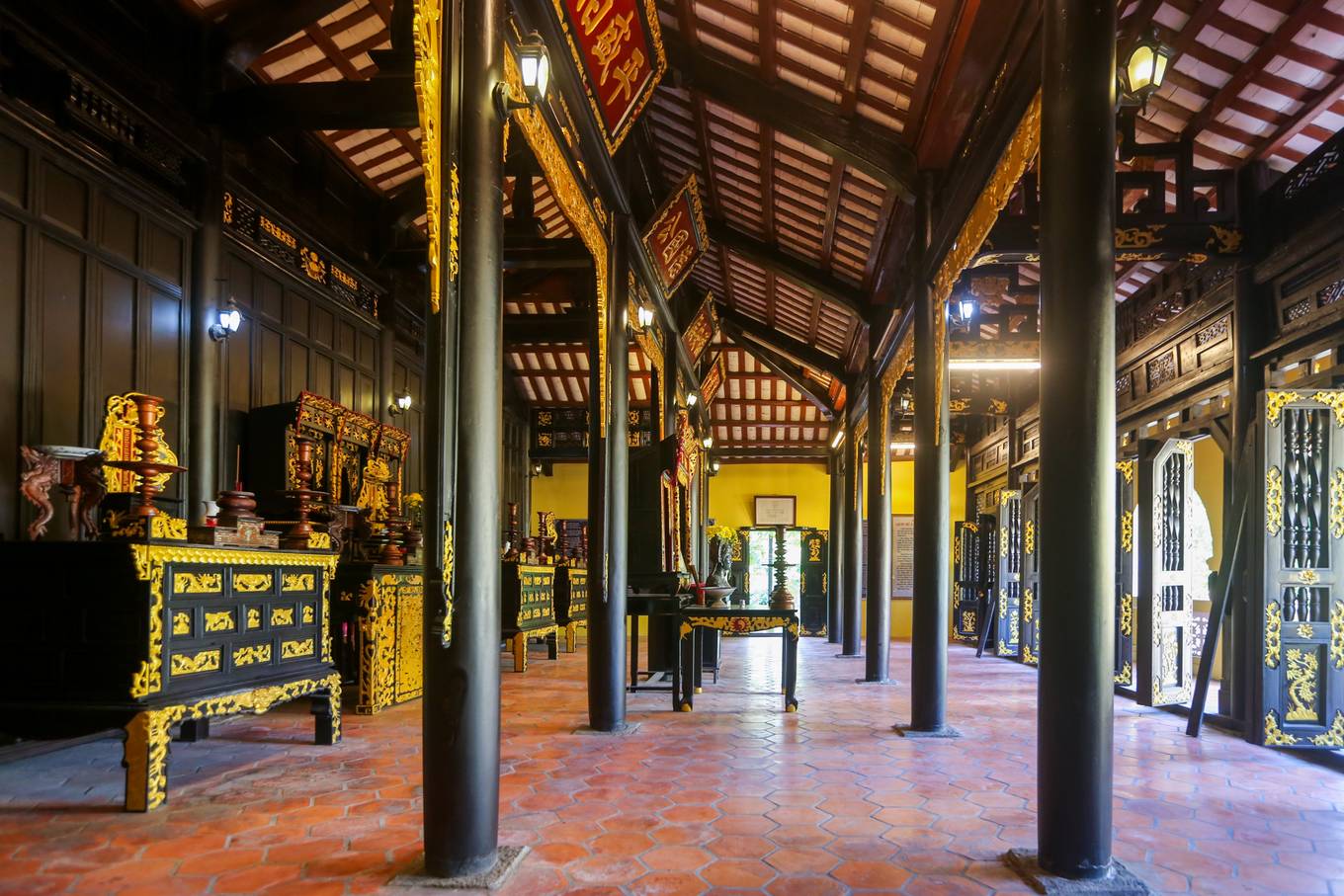
Beside the tomb stands the beautiful timber ancestral hall of the Pham Dang family, preserving finely carved plaques and parallel sentences that reflect nineteenth-century craftsmanship.

Tomb Built with traditional lime mortar and shaped like the dignified hat of a court official.
Stone Stele Inscribed by Emperor Tu Duc and made from Thanh Hoa stone transported by water from Hue.
Ancestral Hall An old timber structure with gilded lacquer plaques and carved parallel sentences.
The Royal Mausoleum, Go Cong
The royal character of the tomb architecture sets it apart from ordinary Southern Vietnamese burial sites.
An Influential Family

The Prosperity of the Prominent Pham Dang Clan

The Pham Dang family was one of Southern Vietnam's most influential clans in the eighteenth and nineteenth centuries. Their ancestors followed the Nguyen lords south from Central Vietnam, settled Go Cong and established extensive estates.

Their power was not limited to land and wealth. The family valued scholarship and public service, and many members held important positions in the Nguyen administration, creating a durable network of influence.

The rise of the Pham Dang family in Go Cong illustrates how major Southern clans helped shape the culture, politics and society of an entire region.

The Royal Mausoleum Grounds
The Pham Dang Ancestral Hall Within the Royal Mausoleum Complex
An Exceptional Daughter of Go Cong

Empress Dowager Tu Du: The Go Cong Woman Remembered in History

No visit to the Royal Mausoleum is complete without mentioning Empress Nghi Thien Chuong, born Pham Thi Hang, better known to later generations as Empress Dowager Tu Du. In Southern speech, her name is often pronounced Tu Du.

Born in Go Cong, she was celebrated for her intelligence, virtue, patriotism, compassion and modest lifestyle despite holding the highest position in the Nguyen imperial household. She often advised Emperor Tu Duc to reduce taxes, support the poor and appoint talented officials. Her conduct became an ethical model respected throughout the court.

In recognition of her compassion and moral example, Southern Vietnam's largest maternity hospital in Ho Chi Minh City was named Tu Du Hospital in her honor. It is a lasting sign that the memory of this daughter of Go Cong remains alive.

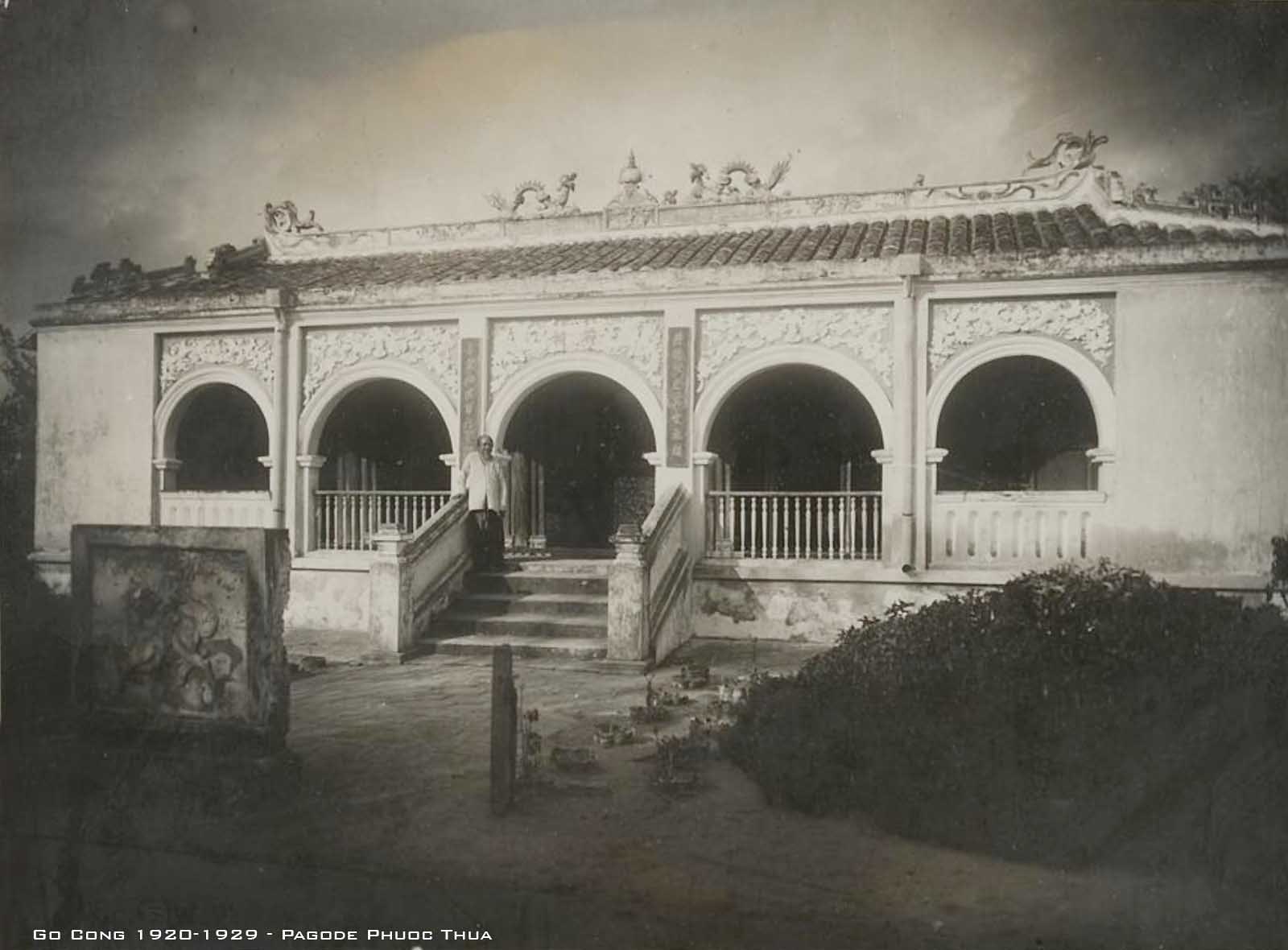
Archival Photograph of the Royal Mausoleum in the 1920s
A 1920s archival photograph of the Royal Mausoleum, preserving the powerful legacy of the celebrated Pham Dang family.
A Major Heritage Attraction

A Solemn and Peaceful Place to Visit

Set apart from the noise of town, the Royal Mausoleum has a quiet, deeply nostalgic atmosphere. Rows of mahogany trees and frangipani provide shade throughout the year, forming a green canopy over the historic site.

The best way to experience it is to walk slowly over time-darkened bricks, light incense before the duke's altar and listen to the caretakers recount dramatic stories of the Nguyen dynasty.

For photographers, moss-covered walls, curved gateways and old timber buildings provide an elegant setting for images inspired by traditional Asian aesthetics. Choose refined clothing such as an ao dai or other Vietnamese traditional dress to suit the surroundings.

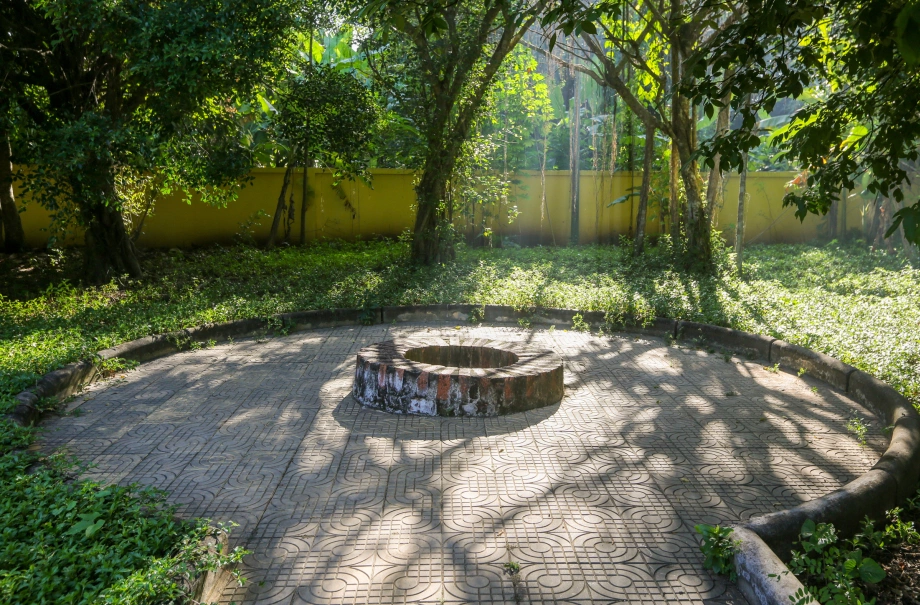
Ancient Well at the Go Cong Royal Mausoleum
The grounds also contain an old well built from large traditional bricks. After centuries, its water remains full and remarkably clear.
Connecting the Route

Suggested sightseeing itinerary from Go Cong Hideaway

The Royal Mausoleum lies in Long Hung Commune, only a few kilometers from central Go Cong and Go Cong Hideaway. The shaded road makes a pleasant route for a relaxed morning bicycle ride.

Suggested route: Have a light breakfast, then cycle to the Royal Mausoleum at 8:00 a.m. Spend around 45 minutes exploring and listening to the stories. At 9:00 a.m., stop at nearby Tan Dong Communal House on the way back toward the center. Around midday, have banh va or bun suong at a local eatery, then return to the homestay before the heat becomes intense.

This route connects some of Go Cong's most important historical stories while keeping the day meaningful and manageable.

The Royal Mausoleum, Go Cong
The cool, quiet greenery of the Royal Mausoleum gives visitors a sense of peace and thoughtful reflection.
Read Next

Plan Your Gò Công Trip Your Way

There is still much more to discover across Go Cong. Explore the articles below to shape the stay that suits you best.

Stay at Go Cong Hideaway for a More Relaxed Heritage Journey

After stepping back through history at the Royal Mausoleum and Go Cong's other heritage sites, return to the quiet comfort of Go Cong Hideaway. Its leafy surroundings and warm amenities will help you recharge for the next part of the journey.

View Room Details Send a Booking Request

Sources

The historical information and stories in this article were compiled from local heritage materials and Nguyen dynasty records to offer visitors an engaging and accurate picture of the site.

Frequently Asked Questions

Which king is buried at the Go Cong Royal Mausoleum?

No king is buried there. The principal tomb belongs to Duke Pham Dang Hung, maternal grandfather of Emperor Tu Duc and father of Empress Dowager Tu Du. The name “Royal Mausoleum” reflects the family's status as the emperor's maternal relatives and the fact that the complex was built under royal order.

What is the connection between Empress Dowager Tu Du and Tu Du Hospital in Ho Chi Minh City?

Southern Vietnam's leading maternity hospital was named after her honorific title, commonly pronounced Tu Du, in recognition of the compassion, integrity and care for ordinary people associated with this daughter of Go Cong.

How much is admission to the Royal Mausoleum?

Admission is currently free for residents and visitors. You may enter during normal opening hours to visit and pay your respects.

What should I wear when visiting?

Because this is a solemn mausoleum and temple complex, wear modest clothing with sleeves and trousers or a skirt below the knee. Keep noise to a minimum and help maintain the cleanliness of the grounds.

What is the best way to reach the Royal Mausoleum from Go Cong Hideaway?

The site is close to the homestay. A bicycle is ideal for enjoying the quiet country road, while a motorbike takes less than ten minutes.