History of Go Cong: A Journey Back to Southern Vietnam's Royal Heritage

From desolate sand dunes reaching out to the vast sea, Go Cong has embraced the ups and downs of the land reclamation history, carrying the heroic story of Truong Dinh's insurgent army and the radiant pride of being the homeland of two Mothers of the Nation.

Go Cong does not have the hustle and bustle of a commercialized destination. The allure of this land lies in the romance and nostalgia emanating from the moss-covered tiled roofs, the majestic mausoleums, and the epic historical anecdotes passed down through generations.

Staying at Go Cong Hideaway gives you a wonderful privilege: to slow your pace, spend an entire session wandering through small streets, touch the exquisitely mother-of-pearl inlaid carvings, and relive the regal atmosphere of the South in the last century.

Ideal For Travelers drawn to nostalgic beauty, Southern Vietnamese history and historic architectural photography.
Ideal Duration Set aside a full morning or late afternoon, with a leisurely bicycle ride around town.
Architectural Highlights Nha Doc Phu Hai, the Royal Mausoleum, the Truong Dinh Mausoleum and the surreal beauty of Tan Dong Communal House.
Starting Point Go Cong Hideaway sits at the center of the route, making it easy to reach heritage sites both large and small.
A Journey Through Time

Three Centuries of Land, Settlement and Growth

The history of Go Cong is a proud epic of humans conquering the wild. From a muddy land teeming with crocodiles and mosquitoes, our ancestors shed countless drops of sweat and blood to shape a fertile rice bowl and one of the most bustling urban centers in the South.

Wild Beginnings The story begins with ancient sand ridges, built up over thousands of years by sediment from the Tien and Vam Co rivers and rising above vast wetlands and dense mangrove forest.
Seventeenth–Eighteenth Centuries: The Frontier Spirit The first Vietnamese settlers crossed rough seas from Central Vietnam, drove stakes into the earth and raised shelters, gradually transforming a land once known for crocodiles and tigers into broad rice fields.
Nineteenth Century: Royal Splendor Go Cong reached a brilliant period through the prominence of the Pham Dang family. It became the homeland of Empress Dowager Tu Du and left a lasting mark on the history of the Nguyen dynasty.
Twentieth Century: An Elegant Town Economic growth turned Go Cong into a busy colonial-era urban center, marked by grand residences, hybrid timber houses and lively horse-racing grounds.
A Legend Behind the Place Name

Khong Tuoc Nguyen: Where Peacocks Once Gathered

Have you ever wondered why this land is named "Go Cong"? According to the elders, when the earth was still untouched, this area consisted of raised sand dunes surrounded by thorny date palms and dense wild grass.

This peaceful terrain attracted tens of thousands of peafowls from all over to nest and multiply. Whenever dusk fell, the peafowls would fan their tails and dance, filling a corner of the sky. Seeing this magnificent sight, the early settlers called it "Go Chim Cong" (Peafowl Dune), or more elegantly, "Khong Tuoc Nguyen" (Peafowl Plain). Over time, the name was shortened to Go Cong, carrying a romantic and poetic beauty to this day.
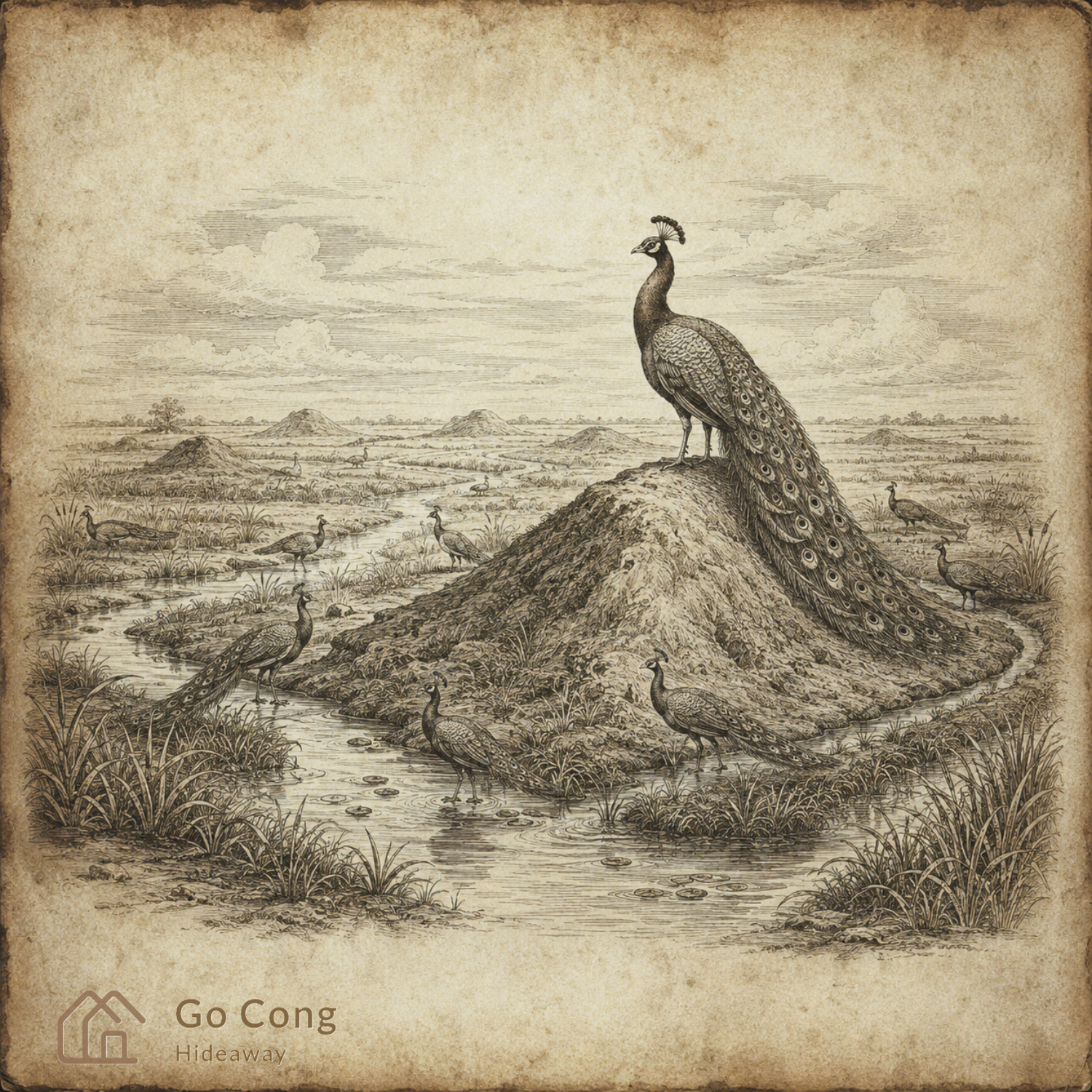
Ancient Coastal Sand Ridges of Go Cong
Protected by high, dry sand ridges, old Go Cong was once a wild sanctuary for countless species of birds.
A Gift from the Land

Life Rising from Ancient Sand Ridges

Nature has bestowed upon Go Cong a remarkable gift compared to other flood-prone regions of the Mekong Delta: the system of ancient sand dunes (such as Son Quy dune and Thanh Pho dune).

These are the traces of a sea recession process that occurred thousands of years ago. Thanks to their elevation, remaining dry during the flood season, these dune strips became ideal natural fortresses where Vietnamese settlers chose to build their homes, establish villages, and sow the very first rice crops.

Riding along the road to Tan Thanh Beach today, you can still easily observe the spectacular layering of the landscape: from lush fruit orchards with roots anchored deep in the sandy soil, stretching all the way out to the vast, wind-swept mangrove mudflats.

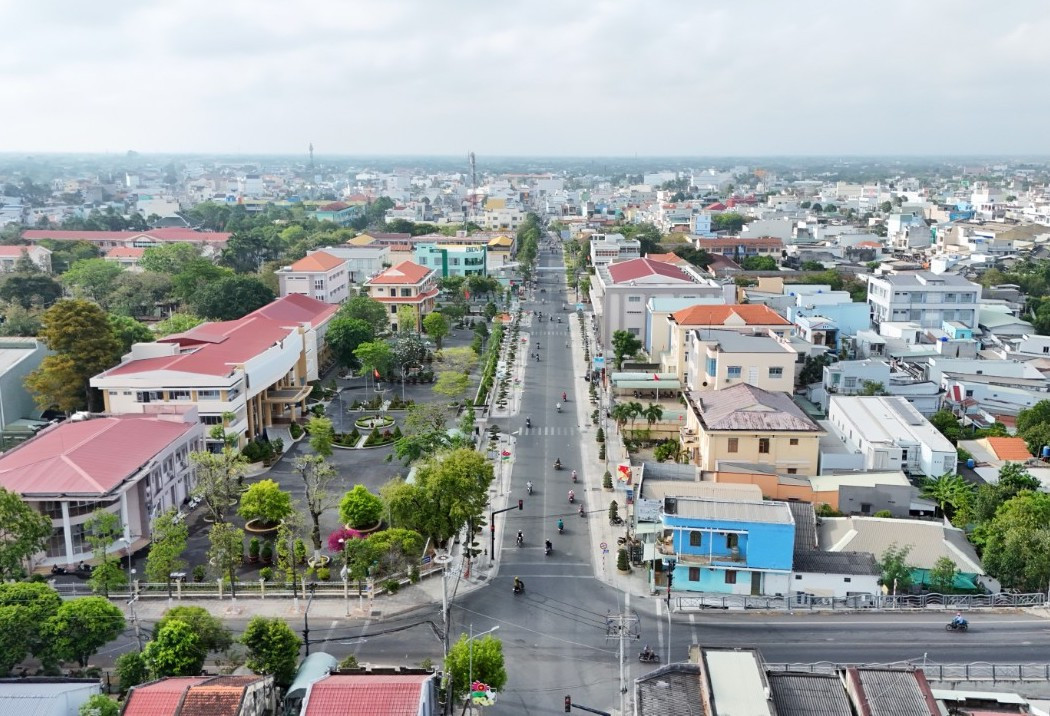
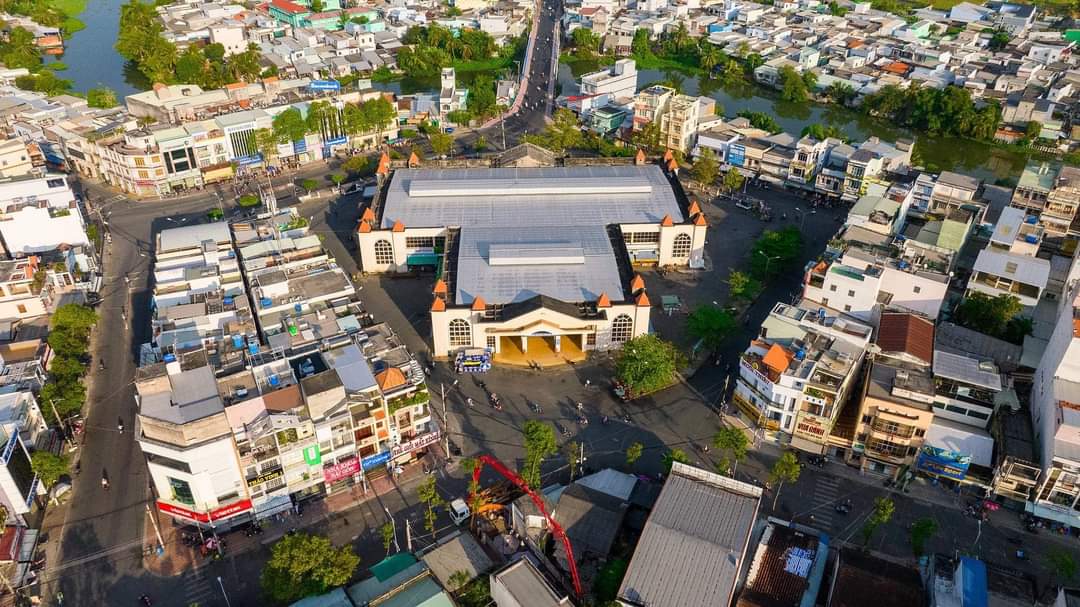
Peaceful Streets of Go Cong
The calm of present-day Go Cong is the result of a long struggle to settle and cultivate a demanding natural landscape.
Aerial View of Present-Day Go Cong
Today's bustling Go Cong is the achievement of generations who endured the hardships of opening and settling the land.
The Spirit of Southern Vietnam

Footprints of early settlers weathering sun and dew to expand the frontiers

To achieve today's prosperity, the sweat and blood of our ancestors were woven into every inch of this land. In the 17th century, impoverished farmers and brave young men from the Central region sailed through storms, heading straight into the treacherous Soai Rap estuary.

They faced an incredibly harsh reality: gloomy jungles, prowling tigers, and swamps swarming with hungry leeches and crocodiles. Yet, with iron will and the united strength of village camaraderie, they cleared the dense thickets, dug canals for fresh water, and drove away wild beasts to make way for thatched-roof houses and golden harvest seasons.

Listening to the anecdotes of the "bearing swords to expand the frontiers" era will deepen your love and respect for the generosity, honesty, and loyalty of the Southern people in this Go Cong homeland.
Land of Royal Mothers

Homeland of Two Nguyen Dynasty Empresses

It is no coincidence that Go Cong is revered as a "land of sacred spirits and exceptional people." This place has gone down in history as a cradle that produced outstanding women with a profound influence on the Nguyen Dynasty.

The most prominent figure is Nghi Thien Chuong Empress Pham Thi Hang (Empress Dowager Tu Du)—the daughter of Grand Duke Pham Dang Hung. Her intelligence, virtue, and deep love for the people became the ultimate standard for a mother of the nation. Later on, Go Cong continued to take pride in being the birthplace of Empress Nam Phuong—the last empress of Vietnam's feudal era, renowned for her flawless beauty and talent.

The presence of the prestigious Pham Dang family elevated Go Cong from a purely agricultural region to an important cultural and political center in the South.

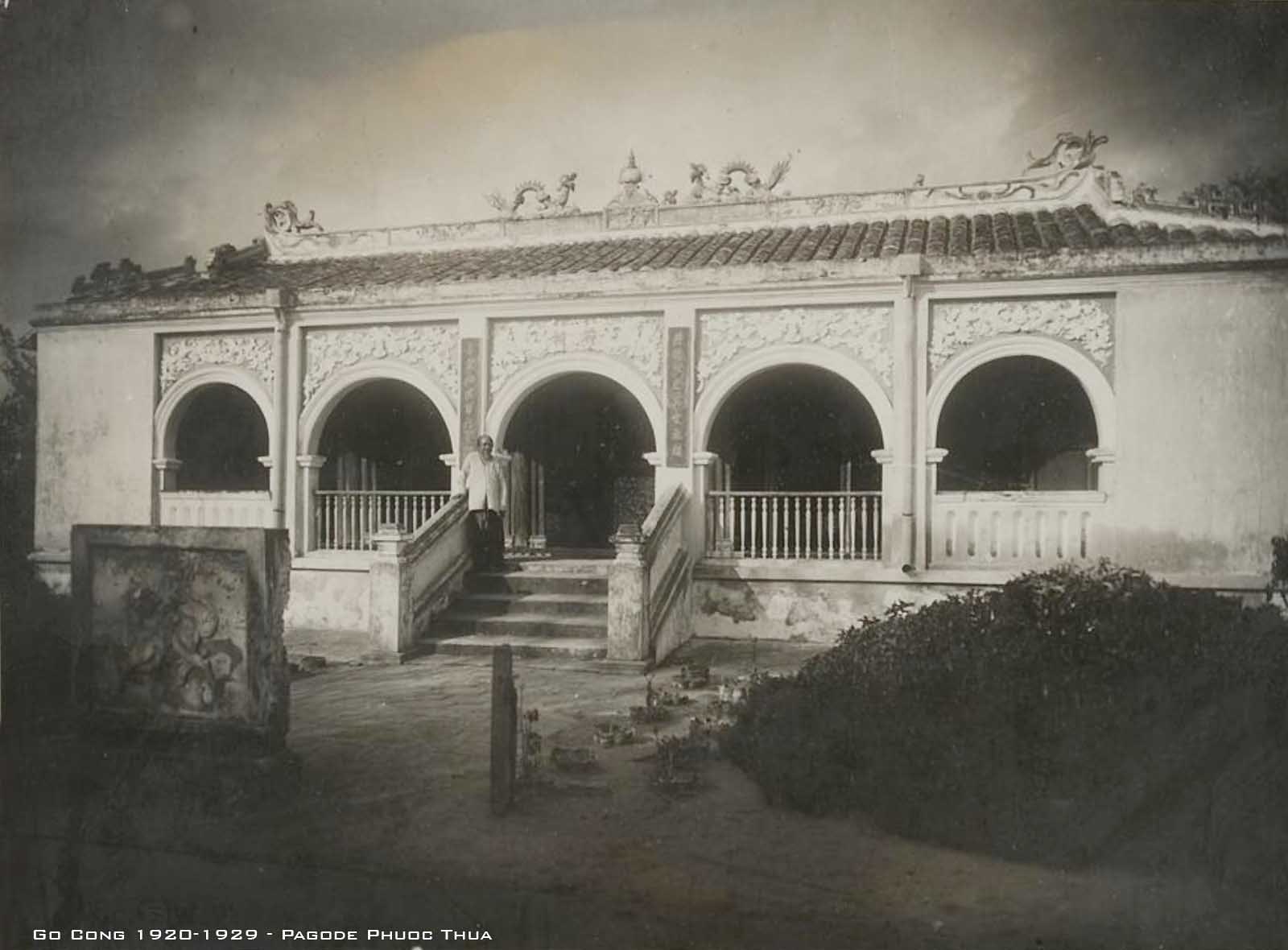
Archival Photograph of the Go Cong Royal Mausoleum in the 1920s
A 1920s archival photograph of the Royal Mausoleum, preserving the powerful legacy of the celebrated Pham Dang family.
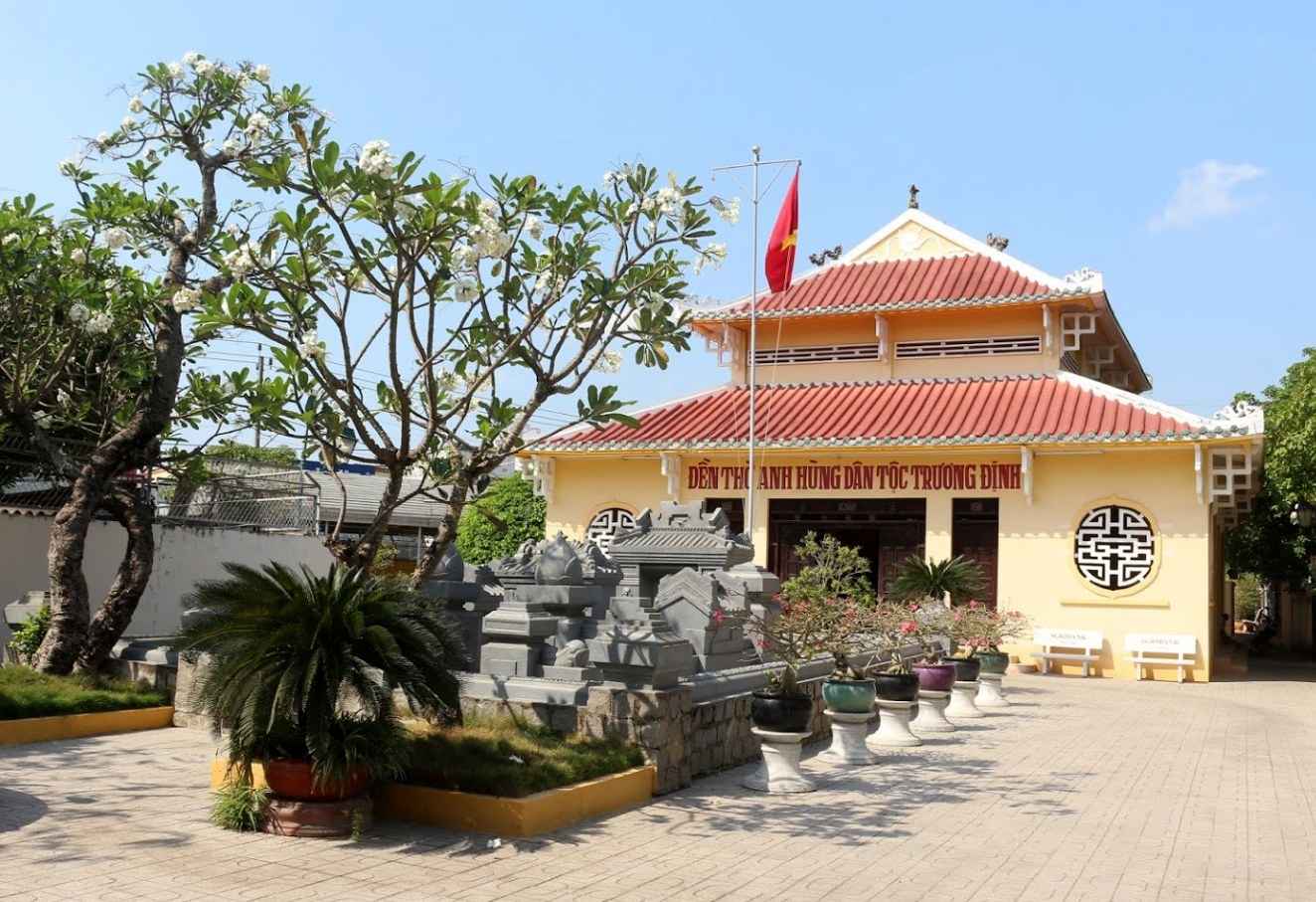
Mausoleum of National Hero Truong Dinh in Go Cong
The imposing stone stele at the Truong Dinh Mausoleum records the loyalty and patriotism of the Binh Tay Dai Nguyen Soai.
Steadfast Honor

The indomitable spirit of "Binh Tay Dai Nguyen Soai" Truong Dinh

To discuss the history of Go Cong without mentioning the name Truong Dinh would be a massive omission. In 1862, as the nation faced an existential threat, the Hue Court ordered a ceasefire to concede to the French colonialists. However, Truong Dinh defied the Royal Edict, broke the King's sword, and chose to stay with the Go Cong militia to raise the flag of rebellion.

Taking advantage of the treacherous terrain of the "Dam la toi troi" (Forest of Dark Leaves), his insurgent army repeatedly struck fear into the enemy. He was revered by the people as the "Binh Tay Dai Nguyen Soai" (Great Marshal Pacifying the West)—a title bestowed purely by the hearts of the people. His heroic sacrifice at Ao Dinh in 1864 ignited a blazing revolutionary fire throughout the entire Nam Ky (Cochinchina) region.

Truong Dinh Mausoleum: The majestic resting place courageously built by his devoted wife despite the perilous circumstances.
Truong Dinh Temple: The most sacred venue for his commemorative death anniversary ceremony in Go Cong, held annually on August 20th.
The Town's Golden Age

Colonial-Era Prosperity and Magnificent Residences

The portrait of Go Cong in the early 20th century was adorned by the wealth of local landlords and elites. Benefiting from the renowned rice trade, they competed to build massive mansions in the "Western exterior - Eastern interior" style: lavish French architectural facades on the outside, while the inside featured priceless carved wooden frames intricately inlaid with mother-of-pearl.

Beyond its magnificent mansions, Go Cong at that time also took on the vibe of a premier entertainment hub. The most prominent symbol of this was the Racecourse Pond (Ao Truong Dua) – where the elite gathered to watch horse racing, an extremely luxurious pastime introduced by the French.

Although many structures have been eroded by time, just stepping into Doc Phu Hai Palace will immediately leave you in awe of the extravagance, lavishness, and impeccable aesthetic taste of the wealthiest figures in the Six Provinces of Cochinchina back in the day.

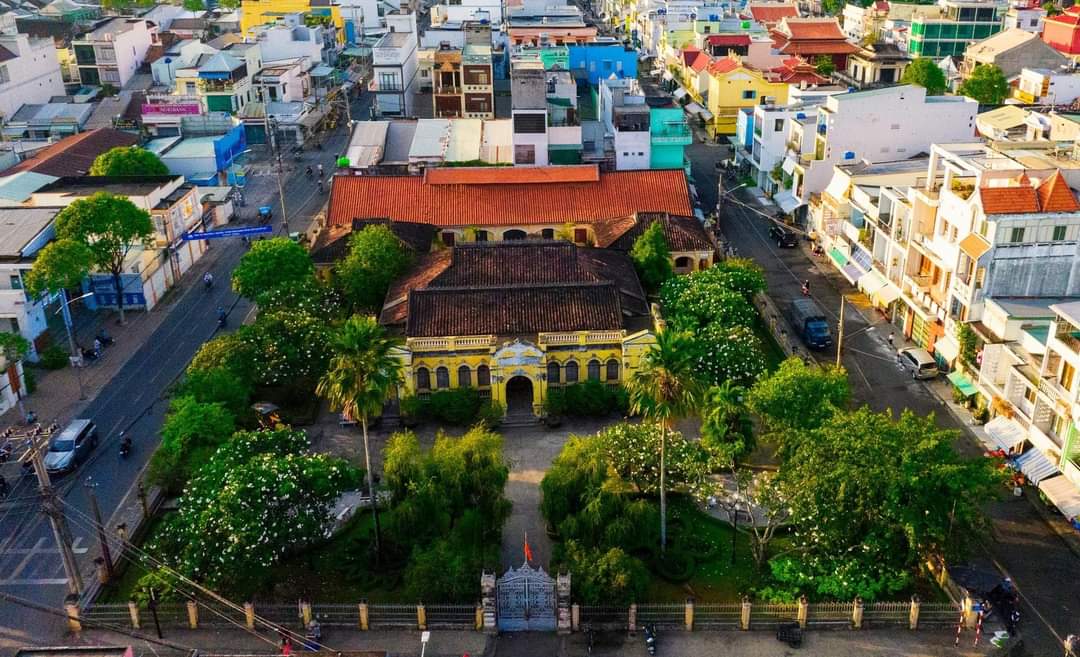
Nha Doc Phu Hai in Bright Sunlight
Nha Doc Phu Hai is the most complete surviving expression of Go Cong's elite lifestyle and its remarkable blend of Eastern and Western culture.
Touch the Past

A Century-Old Heritage Route Around Go Cong Hideaway

Forget about tiring commutes; all of Go Cong's iconic landmarks are just a short bike ride away from Go Cong Hideaway. Be sure to save this handy map to your travel guide.

01

Truong Dinh Mausoleum

Starting Point

Light an incense stick before the hero's monument and feel the indomitable spirit of a tragic yet epic era of war.

1.6 km from the Homestay View the Full Article
02

Nha Doc Phu Hai

Exceptional Photo Spot

Step into a real-life "movie set." Over 350 intricately carved wooden panels and luxurious marble-inlaid beds will leave you in awe.

2 km from the Homestay View the Full Article
03

Ao Truong Dua

Rest Stop

The remnants of a cool ecological pond nestled in the heart of the town. An ideal place to sit, sip a glass of sidewalk sugarcane juice, and rest your feet.

2.3 km from the Homestay View the Full Article
04

The Royal Mausoleum

A Quiet Royal Legacy

Marvel at the monolithic marble stele transported all the way from Hue, and immerse yourself in the space of royal mausoleum architecture.

4 km from the Homestay View the Full Article
05

Tan Dong Communal House

A Wonder of Nature

A "miniature Angkor Wat" of Vietnam. The ancient communal house, with giant bodhi tree roots fully embracing its roof, brings an indescribably mystical and captivating feeling.

10 km from the Homestay View the Full Article
Suggested Itinerary

A Relaxed Go Cong Outing from Hideaway

Cultural travel doesn't mean you have to exhaust yourself rushing from spot to spot. Harmoniously combine sightseeing, listening to local stories, and treating yourself to fantastic food.

AMA Morning Journey into the Past

  1. 8:00 a.m. – Walk into the center for a hot bowl of bun suong or a freshly fried banh va.
  2. 9:00 a.m. – Buy a ticket to Nha Doc Phu Hai and explore its lavish historic interior.
  3. 10:00 a.m. – Light incense at the Truong Dinh Mausoleum, then relax beneath the trees at Ao Truong Dua.
  4. 11:30 a.m. – Return to the homestay for a refreshing nap away from the Mekong Delta heat.

PMA Romantic Afternoon in Go Cong

  1. 2:30 p.m. – Ride slowly along a tree-lined road to the Royal Mausoleum.
  2. 3:30 p.m. – Continue toward the outskirts to catch sunset filtering through the leaves at Tan Dong Communal House.
  3. 5:00 p.m. – If you still have energy, head to Tan Thanh Beach for cool air and seafood.
  4. 7:00 p.m. – Return to Hideaway feeling refreshed, satisfied and full of positive energy.
Worried about finding your way? Don't sweat it! Go Cong Hideaway always has digital maps and a dedicated team ready to point you to the best hidden street food stalls that only true locals know.

Stay at Go Cong Hideaway and Discover the Soul of Go Cong

A journey back in time will be much more complete when you choose a quiet, green stay infused with the rustic charm of the Mekong Delta. Don't hesitate to contact us to plan a meaningful "city escape" weekend!

Reference Materials

Sources and References

The historical information and anecdotes in this article have been carefully compiled by Go Cong Hideaway from local cultural materials, aiming to provide the most profound and vivid perspective for our guests.

Frequently Asked Questions

What makes Go Cong appealing to history lovers?

So many fascinating things! This place holds the anecdotes of the illustrious Pham Dang family, the majestic royal mausoleum, the indomitable marks of Truong Dinh's insurgent army, and the most regal Western-hybrid mansions in the Mekong Delta.

Where does the name “Go Cong” come from?

Legend has it that in the past, countless peafowls flocked to live on these safe, elevated sand dunes. The name "Go Chim Cong" (Peafowl Dune) emerged and was later affectionately shortened to Go Cong.

Is there an admission fee for Go Cong's old houses and mausoleums?

The good news is that most historical sites like Truong Dinh Mausoleum, the Royal Mausoleum, and Tan Dong Communal House are open to the public for free. Only Doc Phu Hai Palace charges a very small fee (about 20,000 VND) to contribute to the relic conservation fund.

Do I need to hire a guide to visit these heritage sites?

It is not mandatory. Each site usually has information boards summarizing its history. Besides, if you are lucky enough to meet the temple keepers, simply ask politely, and they will tell you countless mysterious and fascinating stories.

Is Go Cong Hideaway close to these historical attractions?

Extremely close! Go Cong Hideaway is located right in the center of town, only about 1.5 - 2km from key spots like Truong Dinh Mausoleum or Doc Phu Hai Palace. It is absolutely ideal for you to borrow a bicycle to ride around town and enjoy the cool breeze.