Go Cong Governor's Residence

Go Cong Governor's Residence: A 141-Year-Old Landmark and a Disastrous “Restoration”

A project approved in the name of conservation resulted in the near-total demolition of a 141-year-old architectural landmark, provoking public outrage and serious questions about accountability.

View Rooms Back to the Go Cong Guide
History and Scale

One of Go Cong's Most Important Architectural Landmarks

The Go Cong Governor's Residence, also known as the Go Cong Chief Administrator's Residence, was built in 1885 under French colonial rule. It is regarded as one of the earliest administrative residences in Cochinchina and displays the characteristic French architecture of the late nineteenth century. In 2012, the former Tien Giang provincial government, now part of Dong Thap Province, officially recognized it as a provincial architectural and artistic heritage site.

The imposing two-storey building stood within approximately 1.4 hectares of grounds shaded by mature trees. Thick masonry walls, finely designed doors and columns, and elaborate decorative details gave the residence exceptional architectural value.

For many years, the Go Cong Governor's Residence was a prominent attraction for domestic and international visitors. Its stately, historic grounds were even used as a filming location for the 2018 feature film “The Immortal.”
Period Built in 1885, it was one of the earliest administrative residences in French-era Cochinchina.
Heritage Status Recognized as a provincial architectural and artistic heritage site in 2012.
Scale A 1.4-hectare estate with a substantial two-storey building and finely crafted structural details.
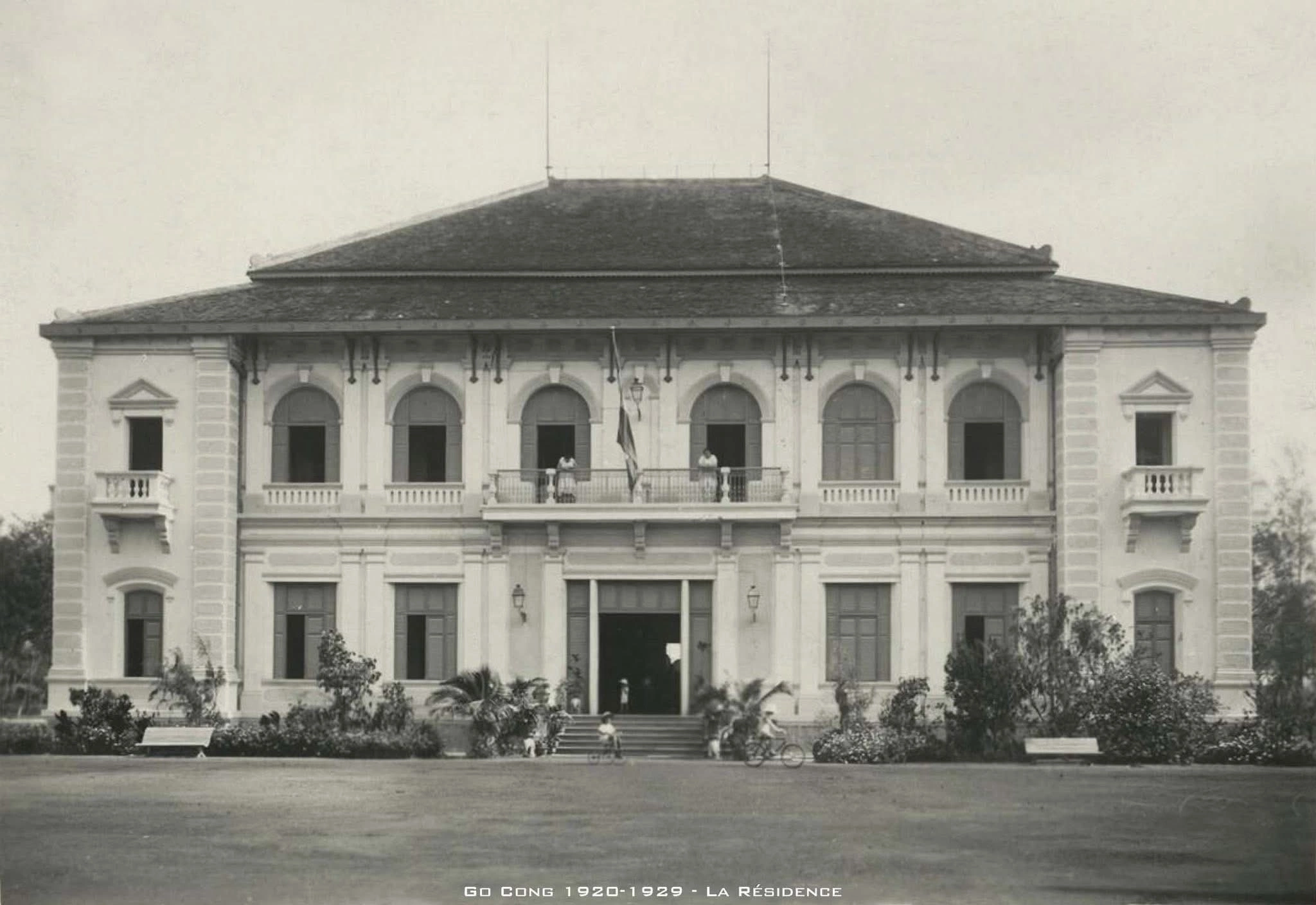
Archival Photograph of the Go Cong Chief Administrator's Residence in the 1920s
A rare 1920s photograph of the Go Cong Chief Administrator's Residence, once a symbol of administrative power.
A Conservation Paradox

From a VND 32 Billion Restoration Project to Near-Total Destruction

The building deteriorated over time. A 2016 structural assessment found that floors, walls, roofing and other load-bearing elements were no longer safe and required conservation work. On April 14, 2021, Official Letter No. 1612 approved a restoration, renovation and upgrading project with a total local-government budget of nearly VND 32 billion.

The project was expected to restore the residence, reconstruct its gates and fencing, and improve the surrounding landscape. Construction formally began on February 6, 2023. Yet a painful contradiction followed: instead of being conserved, most of the building had been dismantled by the end of April 2023.

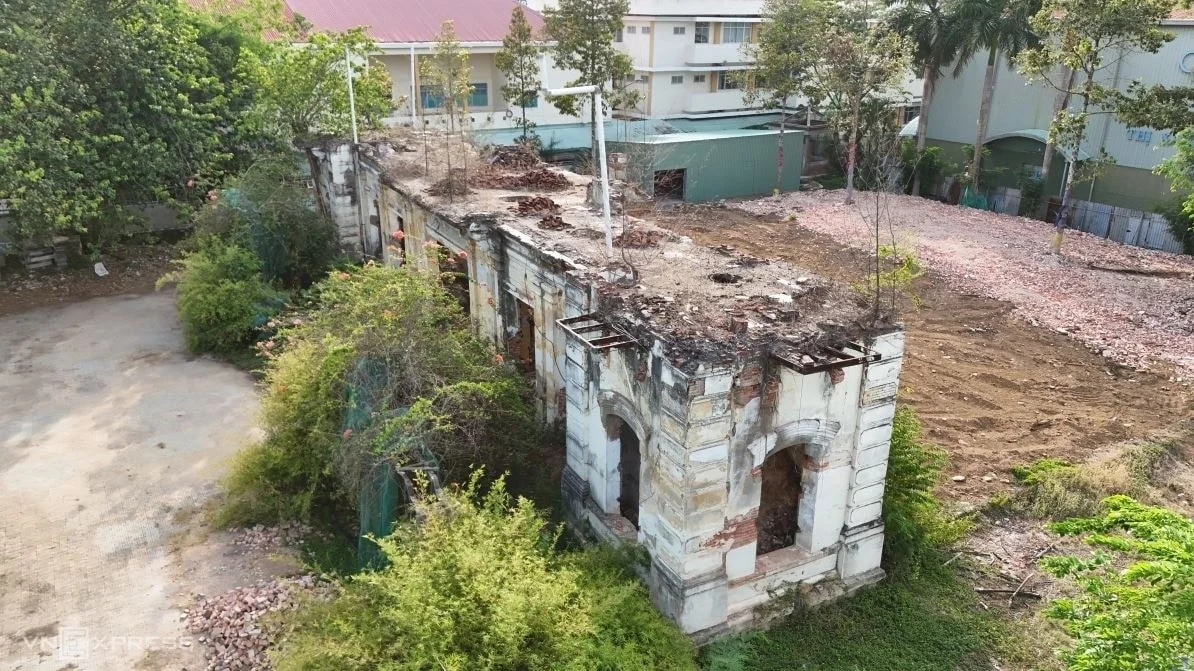
The nearly 141-year-old architectural landmark was almost entirely demolished, leaving only part of the facade. Images of the site, effectively erased, triggered strong public outrage. After receiving reports, the former Tien Giang Department of Culture, Sports and Tourism documented the scene and ordered construction to stop.

Aerial View of the Remaining Facade of the Governor's Residence
From above, the enormous building behind the frontage had been completely leveled, leaving only a thin, lifeless wall standing alone.
What Went Wrong

A Chain of Violations—and Who Was Responsible?

The central question was how a provincially listed heritage site could be demolished without authorization. According to a Dong Thap Provincial People's Committee report issued in late 2025, violations occurred throughout project planning, appraisal, approval and construction. Primary responsibility was assigned to the former Go Cong Town People's Committee and related agencies.

From the outset, the approved project name did not match the officially listed heritage name; the file lacked a sound basis for calculating total investment and did not clearly define the management model. More seriously, the former Go Cong Project Management and Land Development Board submitted the file to an authority that lacked jurisdiction. The town's Urban Management Division, despite lacking the relevant mandate, conducted the appraisal and did not assess the total investment.

The most serious breach came when the former Go Cong Town People's Committee approved the project and directly authorized dismantling without first consulting the Department of Culture, Sports and Tourism on the conservation plan. This constituted a serious violation of the Law on Cultural Heritage.

Project Documentation The heritage name was recorded incorrectly and the appraisal file was submitted to an unauthorized body.
Appraisal Conducted by an agency without the required authority, with no appraisal of the total investment.
Approval Demolition was authorized without consultation with the culture department, in violation of cultural-heritage law.
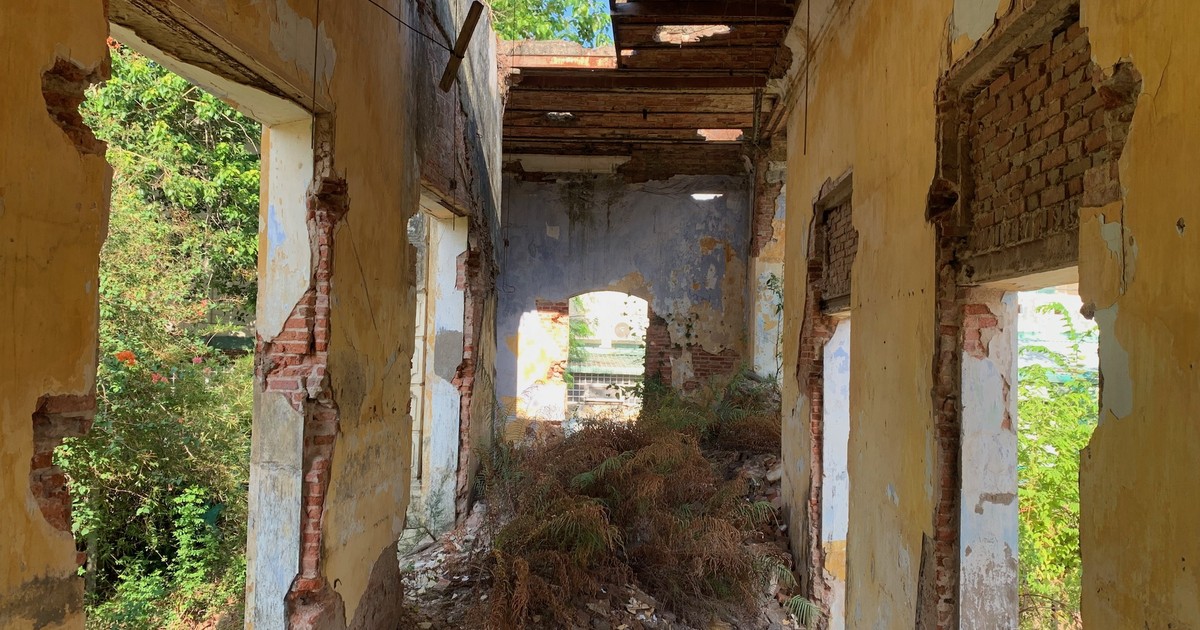
The Devastated Interior of the Go Cong Governor's Residence
The roof, internal walls and timber frame were dismantled with little care, turning the heritage site into a construction ground strewn with debris.
Voices from the Community

Public Grief and the Pain of Local Residents

Local residents were stunned by the destruction of a cultural symbol. Van Cong Mung, 76, of Go Cong Ward, said with emotion: “Like many people in Go Cong, I am deeply saddened that such a distinctive building—already listed as a provincial heritage site—was almost completely destroyed. The province's policy was restoration and conservation, yet the result was that the monument nearly disappeared.”

Tran Thanh Phuong, 56, of Son Quy Ward, shared the same grief. He emphasized that the Governor's Residence was not only historically valuable but also a profound cultural symbol of the area. Residents now hope the authorities will study a faithful reconstruction so its precious legacy can be preserved for future generations.

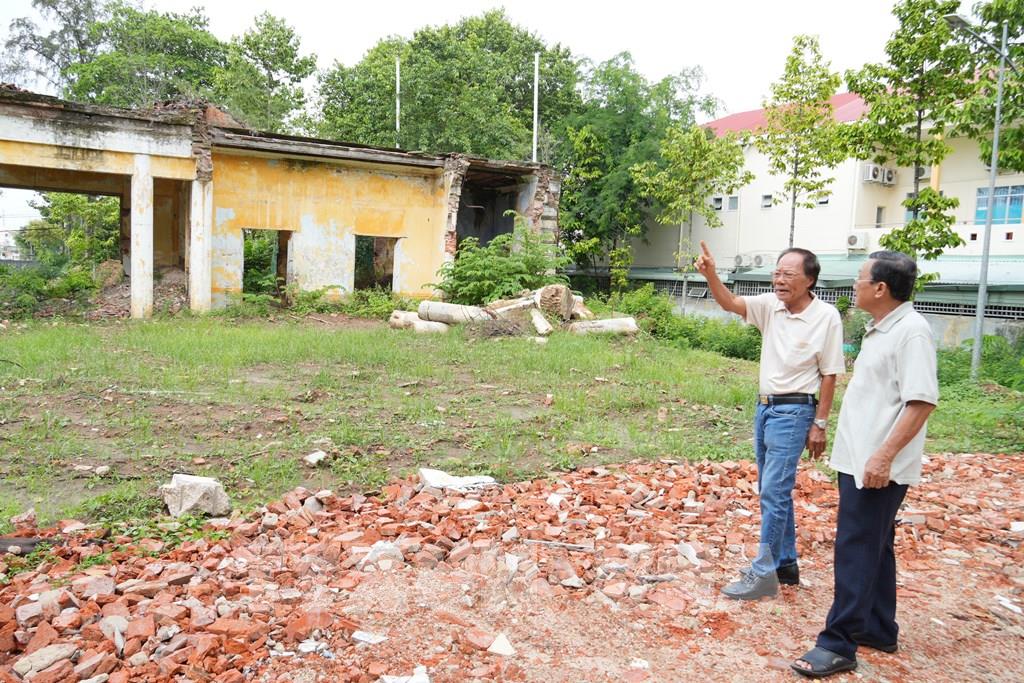
Residents Grieve Beside the Rubble of the Go Cong Governor's Residence
People were shocked and heartbroken to see a hometown landmark reduced to a pile of broken bricks.
A Comprehensive Official Response

Disciplinary Action and Efforts to Consider Reconstruction

Given the seriousness of the case, the Standing Committee of the Dong Thap Provincial Party Committee instructed the Provincial Inspection Commission to investigate. By late 2025, five officials directly connected to the violations had received Party disciplinary action. The Dong Thap Provincial People's Committee also ordered the provincial inspectorate to conduct a comprehensive review of legal, financial and technical procedures and determine individual and organizational responsibility.

Seeking a path forward, Dong Thap Vice Chairman Huynh Minh Tuan chaired an urgent meeting with relevant departments on June 22, 2026. He assigned the Department of Culture, Sports and Tourism to lead a survey and assess the remaining components and materials.

The province's next step is to consult specialist agencies and establish a heritage assessment council that includes independent experts. Its aim is to recommend an appropriate response—whether conservation, reconstruction or another option under the 2024 Law on Cultural Heritage—in the hope of recovering some of the value of this badly damaged 141-year-old landmark.

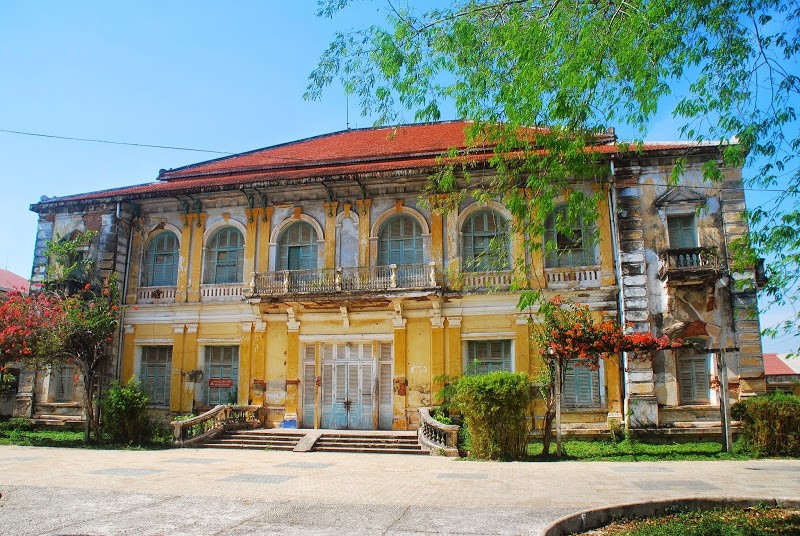
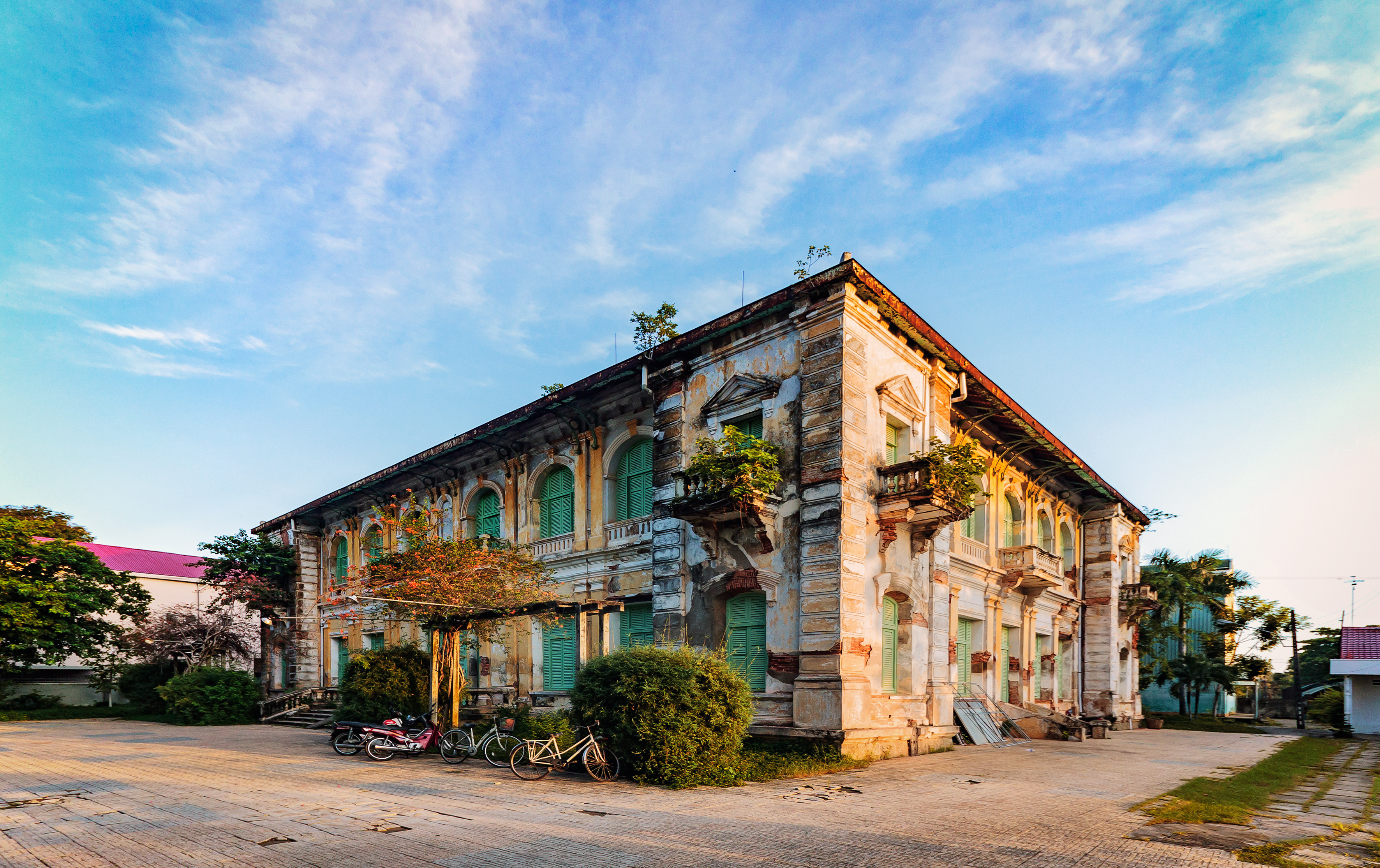
The Go Cong Governor's Residence When Still Intact
Before it was dismantled, the Go Cong Governor's Residence was a celebrated and imposing work of architectural heritage.
Read Next

Explore Go Cong's Remaining Heritage

Beyond the Governor's Residence, Go Cong still preserves many invaluable historic buildings waiting to be explored.

Stay at Go Cong Hideaway and Discover Go Cong More Deeply

A stay at Go Cong Hideaway is more than a holiday. It is an opportunity to slow down, explore moss-covered streets and listen to the complex history of a proud region.

View Room Details Contact Us to Book

Frequently Asked Questions

What is the current condition of the Go Cong Governor's Residence?

Serious violations during the restoration project led to the near-total dismantling of the almost 141-year-old building. Only part of the facade remains today.

When was the Governor's Residence built?

It was built in 1885 under French colonial rule and recognized as a provincial architectural and artistic heritage site in 2012.

Who was responsible for the unauthorized demolition?

According to the inspection report, responsibility lay with the former Go Cong Town People's Committee and related agencies, including the Project Management and Land Development Board and the Urban Management Division, for violations in appraisal and approval and for failing to consult the culture department. By late 2025, five connected officials had received Party disciplinary action.

Will the building be reconstructed or restored?

The Dong Thap Vice Chairman has instructed the Department of Culture, Sports and Tourism to work with specialists and establish a heritage assessment council. Its options include lawful conservation and reconstruction.